
OSS for Online Stores: When It Applies and How It Works
OSS allows online sellers to report VAT on certain B2C sales across the EU through one Member State instead of maintaining separate VAT registrations solely for those supplies.
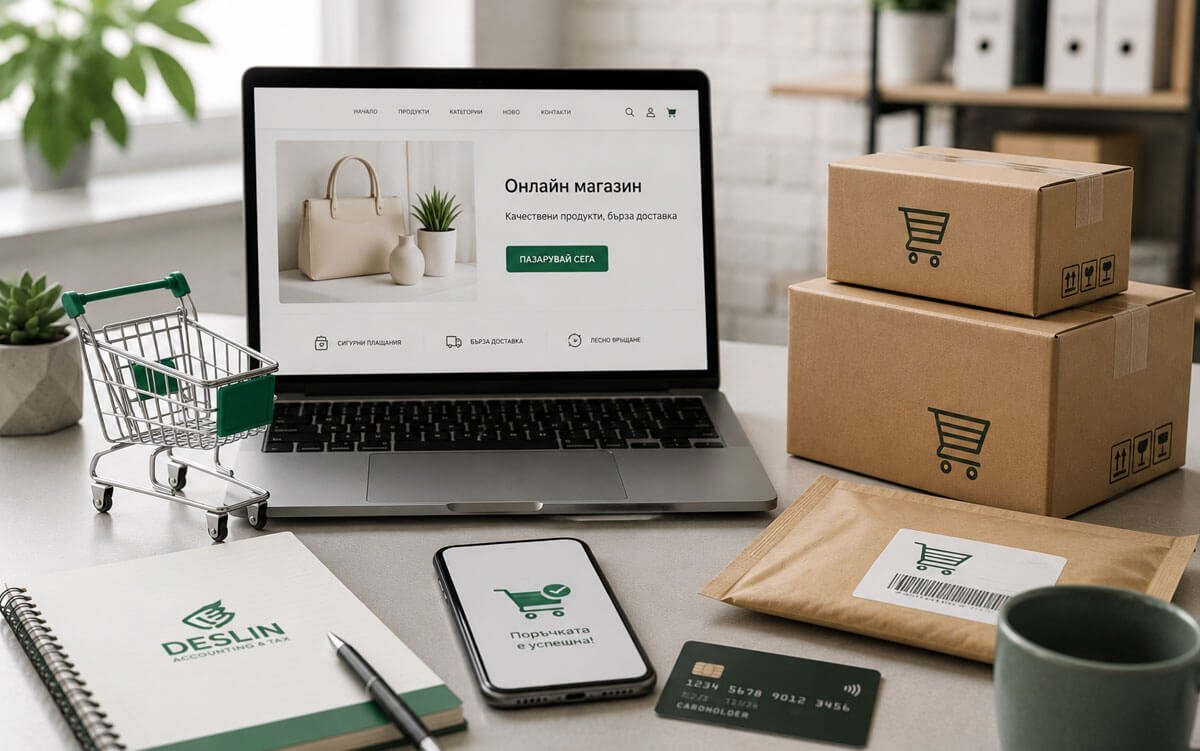
Sales to consumers in different EU Member States can quickly make VAT reporting more complex for an online store. The Union scheme — part of the One Stop Shop (OSS) system — is designed to simplify these obligations where the conditions for using it are met.
What problem does OSS solve?
For certain intra-EU distance sales of goods and B2C services, VAT is due in the Member State of the final customer. Without a one-stop-shop mechanism, this can result in a need for VAT registrations in several countries.
OSS allows a seller to register for the scheme in one Member State and use an electronic portal to declare and pay VAT on eligible supplies to customers in other Member States.
What does the €10,000 threshold mean?
For certain intra-EU distance sales of goods and certain telecommunications, broadcasting and electronically supplied services, there is a common EU threshold of €10,000. Where the statutory conditions are met and the threshold is not exceeded, the supplies may continue to be taxed in the Member State of establishment.
The threshold should not be applied mechanically to every online business. It is necessary to consider where the seller is established, where the goods are dispatched from, who the customer is and whether the supply falls within the scope of the rule.
How does the Union scheme work?
When using OSS, the online seller:
- determines VAT according to the customer’s Member State for the supplies covered by the scheme;
- maintains sales data by country and applicable VAT rate;
- files a single electronic quarterly OSS return in the Member State of identification;
- pays the total VAT declared to the relevant tax administration, which distributes the amounts to the Member States concerned.
OSS does not replace all VAT reporting
The scheme covers only certain supplies. A company may simultaneously have domestic sales, B2B transactions, imports, stock held in another Member State or other operations requiring a local VAT registration. OSS should therefore be considered as one part of the overall VAT framework of the business.
What should the e-commerce system be able to provide?
For reliable OSS reporting, the online store should retain and provide accounting with at least the customer’s country, value of the supply, taxable amount, VAT charged, currency, date and information about corrections or returns.
Where several channels are used — for example an own online store and a marketplace — the data should be consolidated to avoid omitted or duplicated sales.
When is it time for an analysis?
Do not wait until turnover crosses a threshold before reviewing the model. If you plan marketing and deliveries across several countries, analysing the VAT position in advance allows pricing, checkout, invoicing and accounting exports to be configured correctly from the outset.
DESLIN supports online businesses with analysis, registration and ongoing OSS/IOSS compliance.
This material is for general information only and is current as of 21 August 2026. Whether OSS applies depends on the specific supplies, countries involved, inventory structure and customer status.
Related articles
IOSS for Imported E-commerce Sales: How the Scheme Works for Consignments up to €150
IOSS is a special VAT scheme for certain distance sales of goods imported from third countries and supplied to consumers in the EU in consignments not exceeding €150.
Read articleE-commerce Accounting: How to Organise Sales, Payments and Documents
An online store may use many sales and payment channels, but accounting needs to bring them together into one verifiable picture. The key is linking each order, payment and document.
Read article